
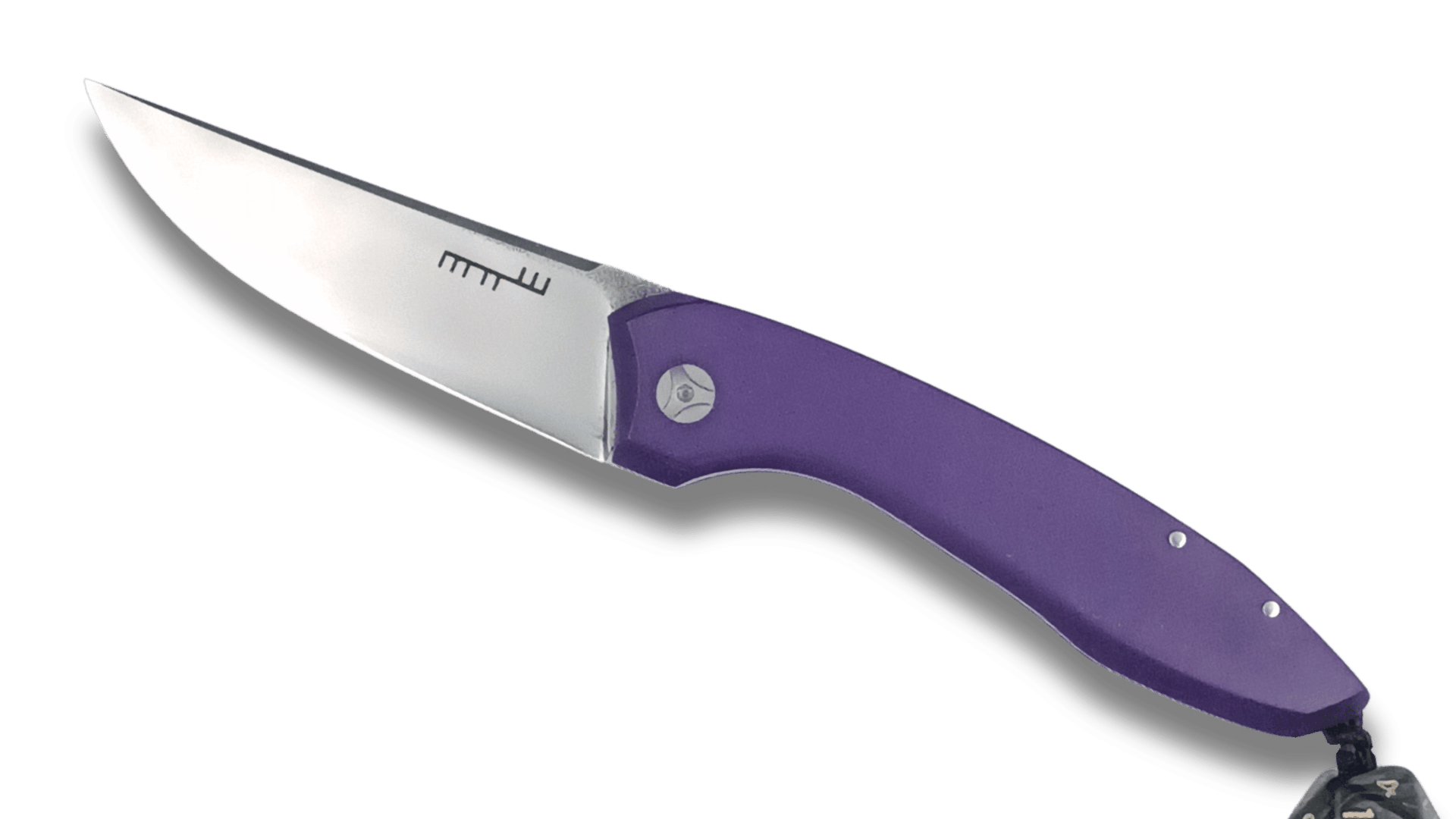
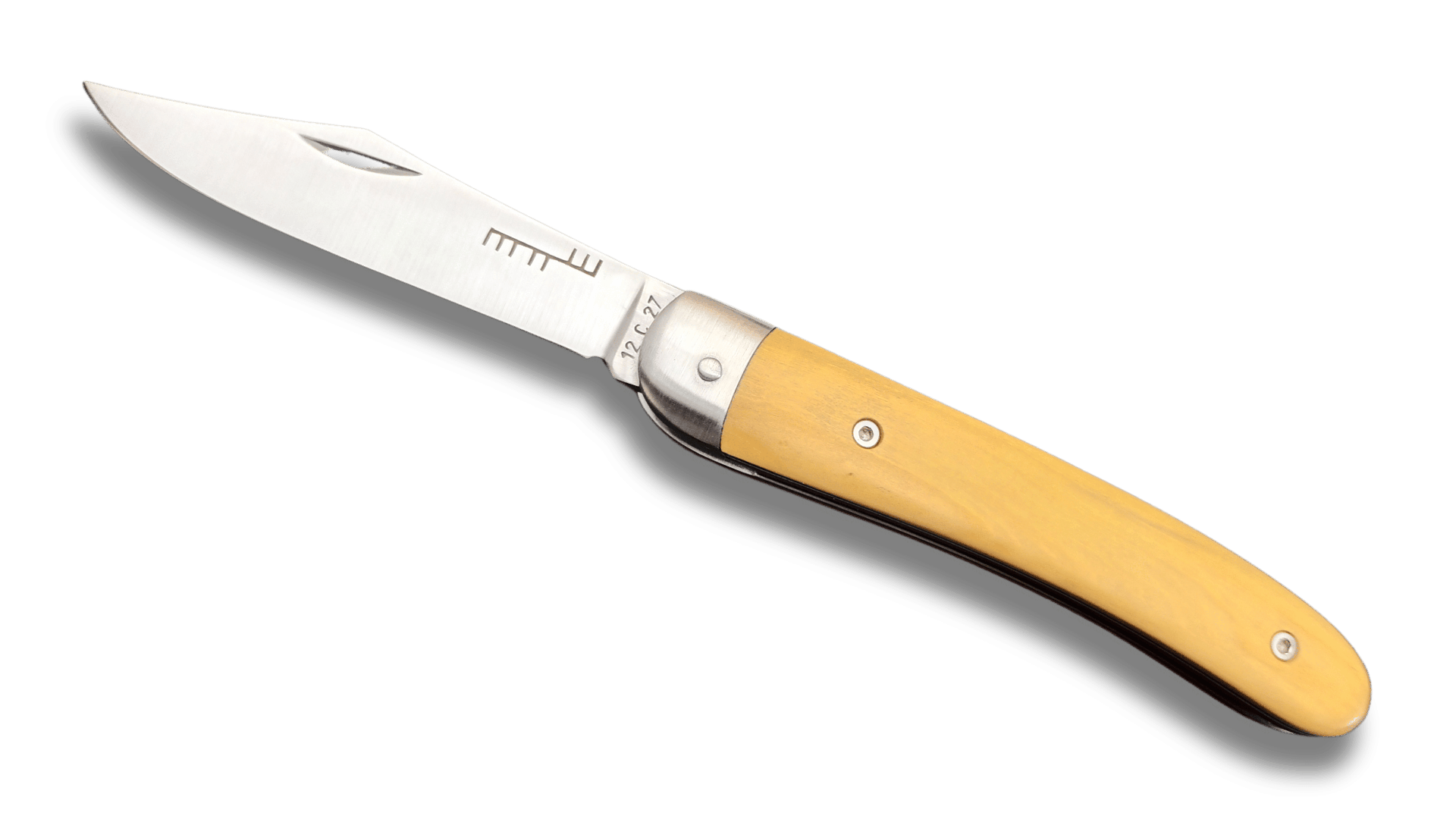
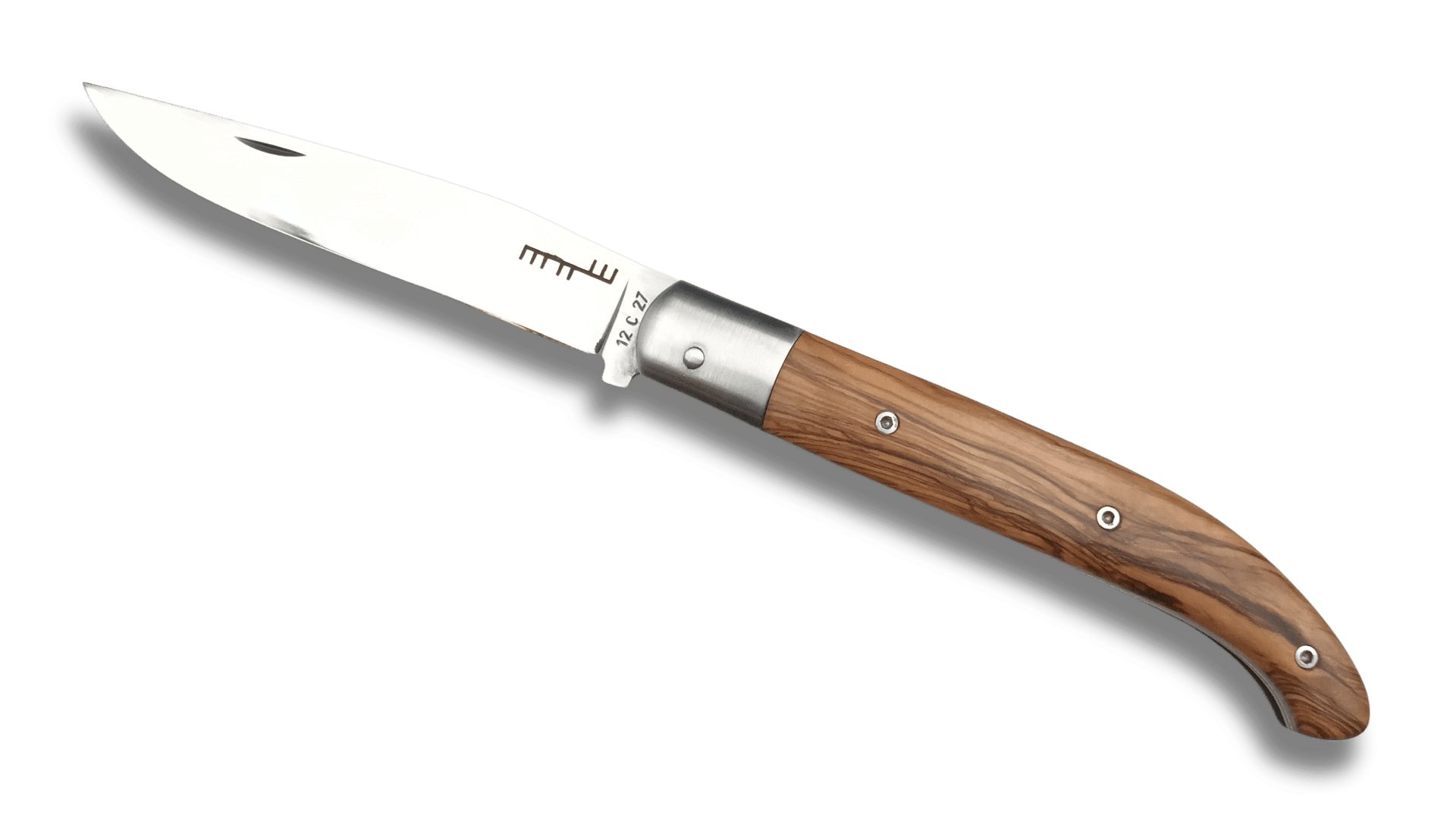
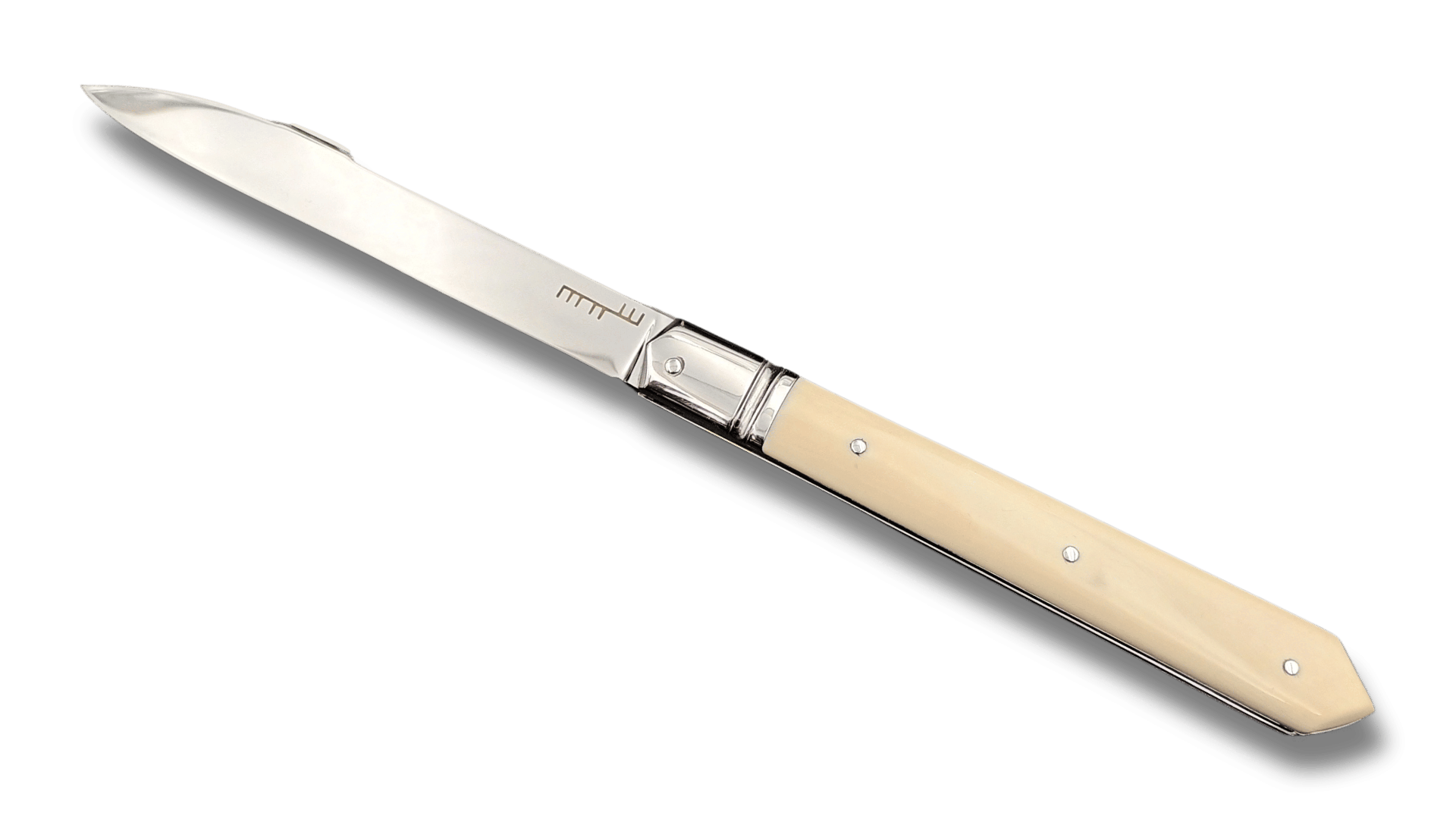
What is the difference between a pocket knife and a folding knife?
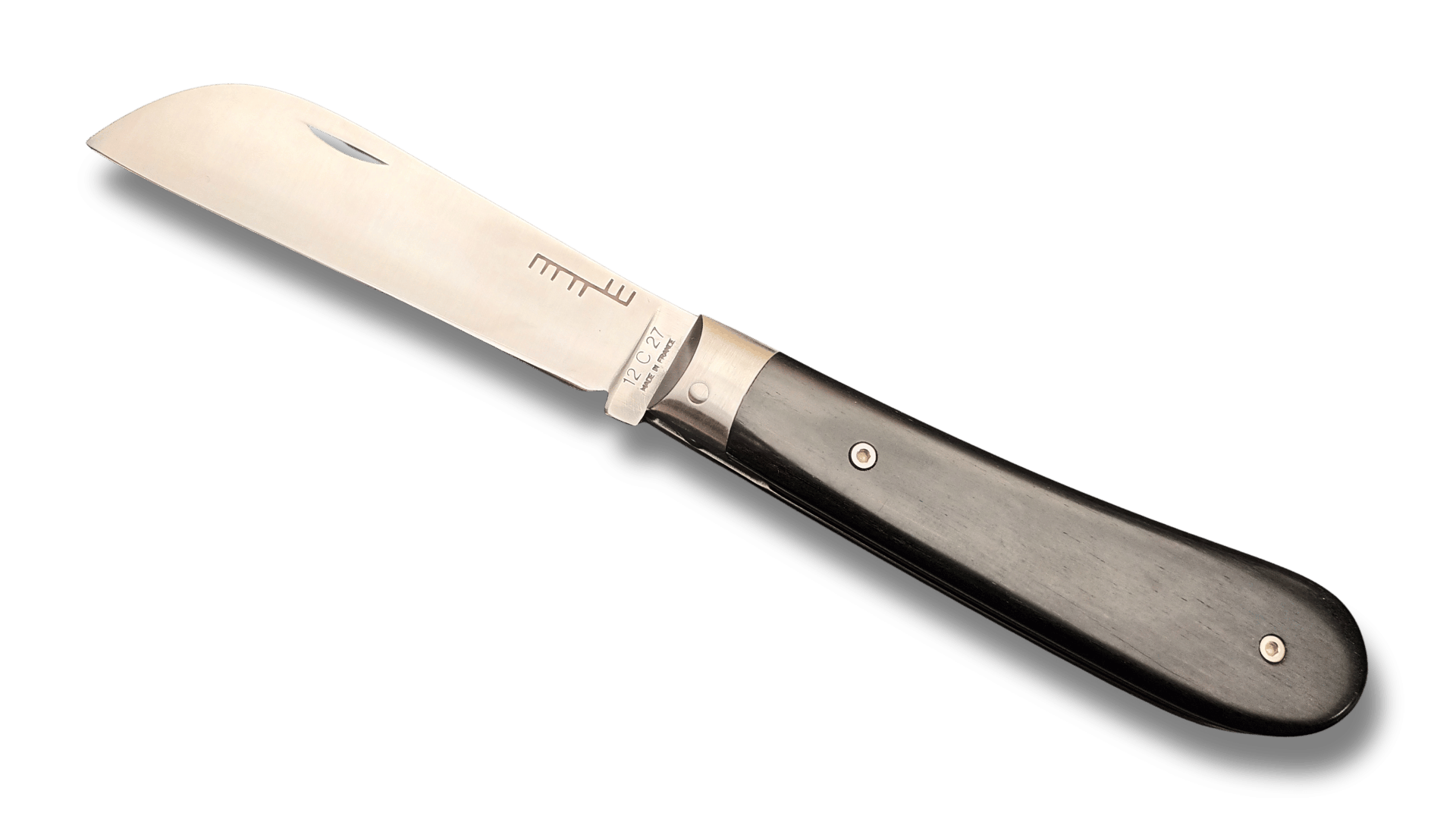
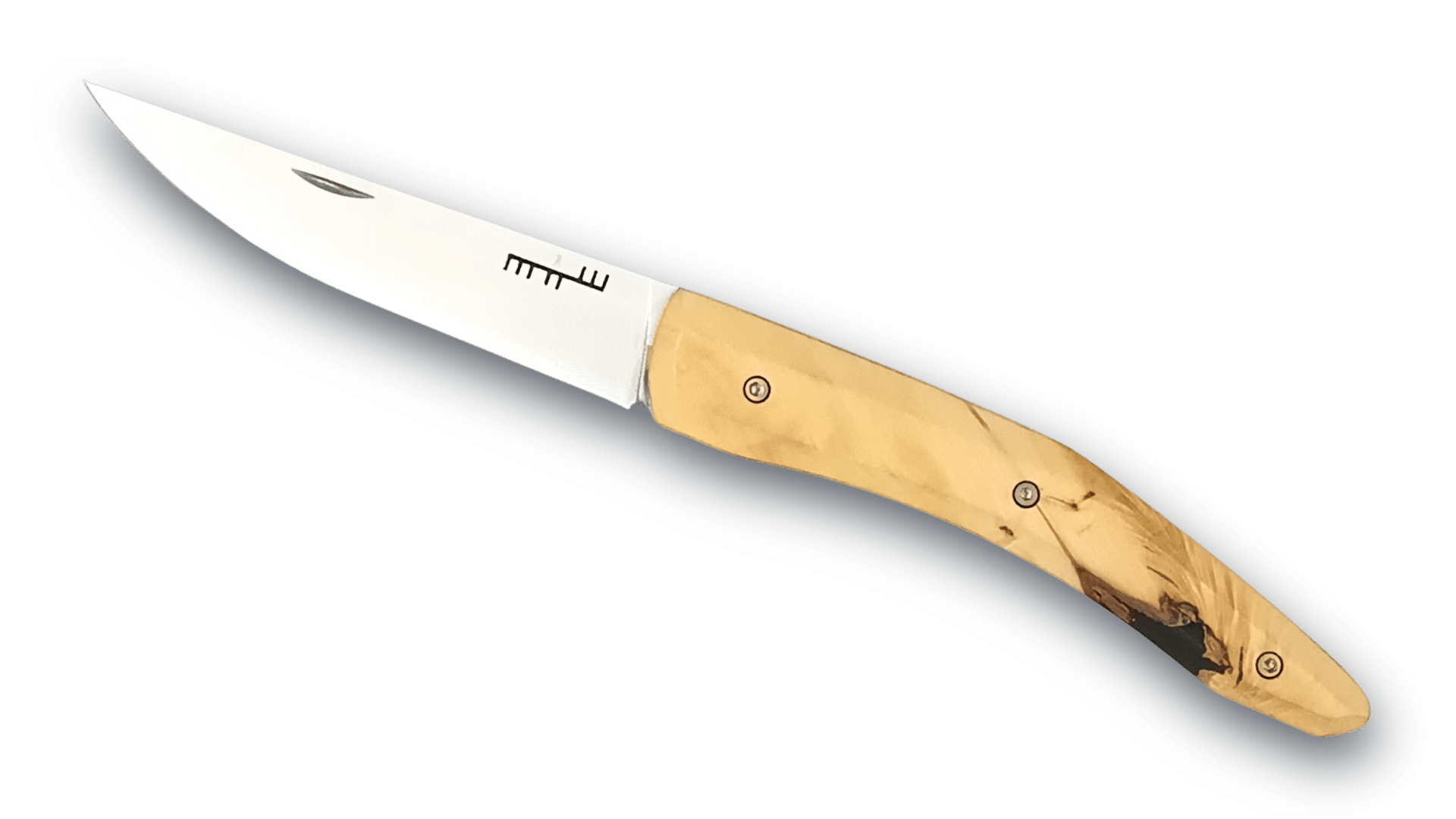
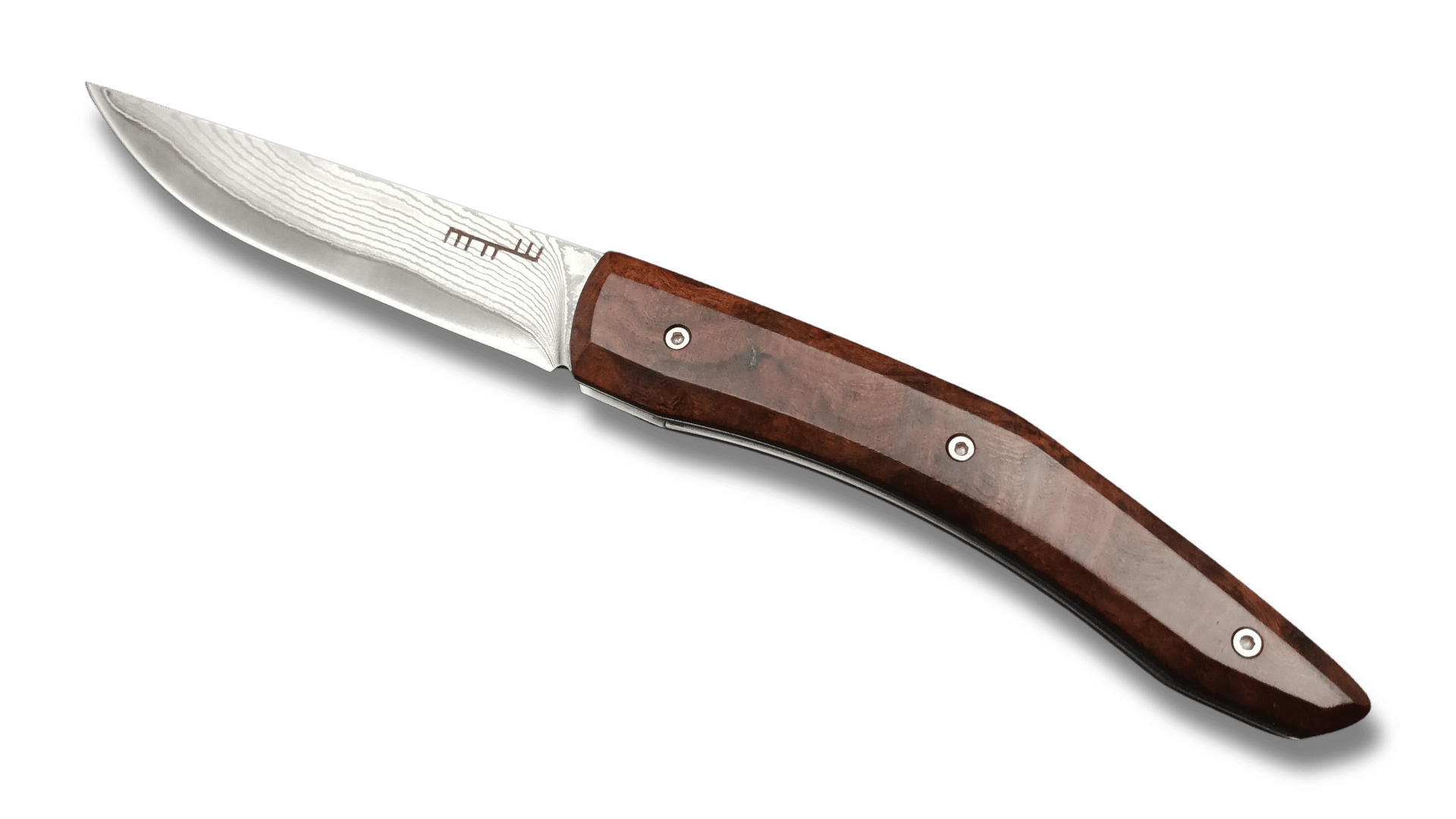
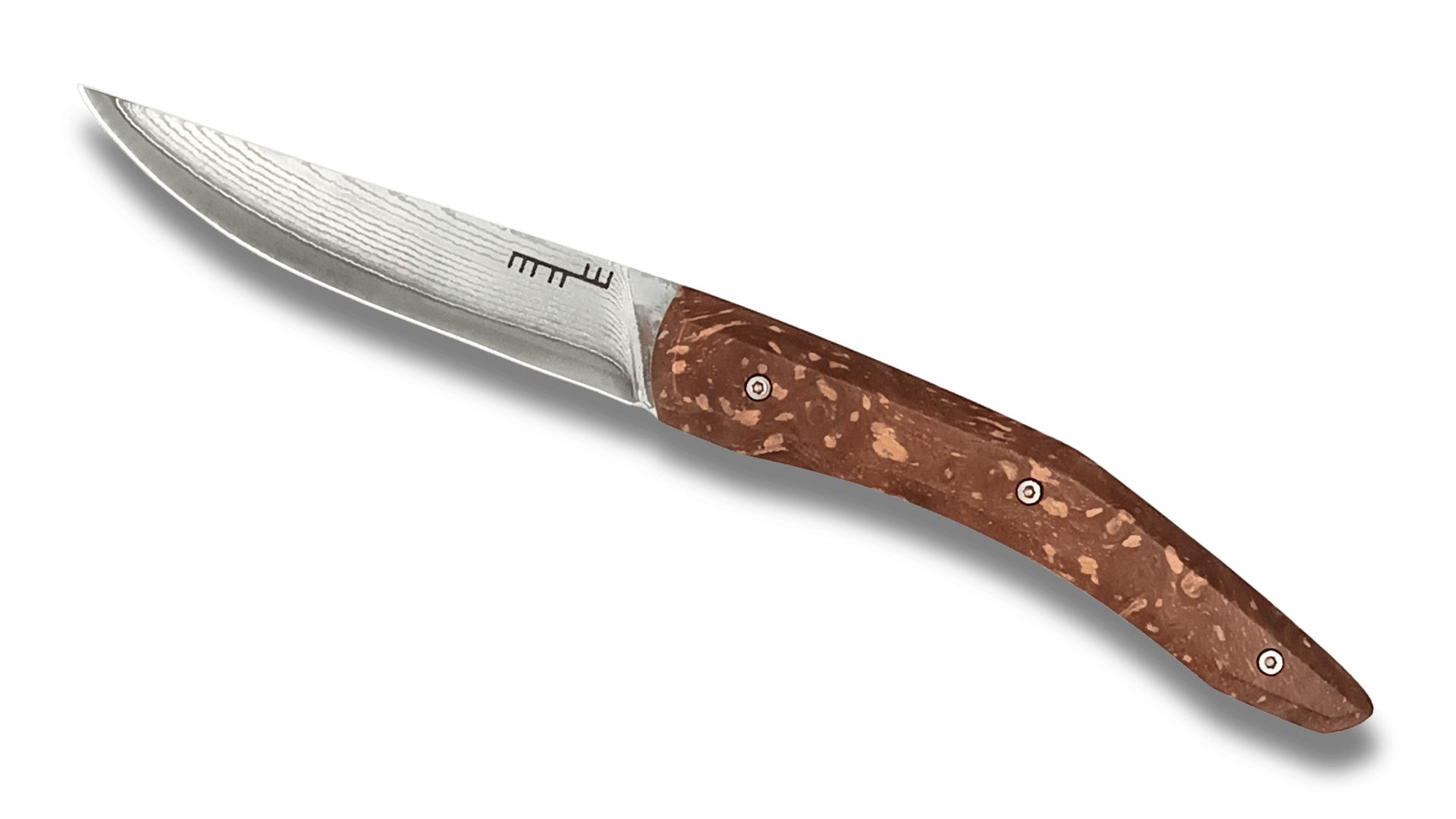
In common usage, the two terms largely overlap. “Folding knife” describes the construction: a blade that pivots and folds into the handle. “Pocket knife” describes the purpose: a knife compact enough to be carried and used every day. Most pocket knives are folding knives, and the vast majority of folding knives are designed for the pocket. On this page, the two expressions designate the same family of tools.
Forced notch, friction or Piedmontese: which to choose?
None of the three mechanisms is better than the others in absolute terms. The forced notch marks the opening and closing of a perceptible notch, appreciable for sustained use. Friction focuses on simplicity: no spring, minimal maintenance, a lightweight knife. The Piedmontese plays with finesse and discretion in his pocket. The right choice depends on your use, your habits and the sensation you are looking for when opening.
What format for daily use or snack?
For a knife worn every day, the closed format is as important as the blade: it must be forgotten in the pocket. A medium blade is sufficient for bread, cheese, sausage and small everyday jobs. For a knife that stays in the picnic bag or near the board, a more generous size may be justified. Rely on your actual uses rather than maximum dimensions.
What distinguishes a French artisan folding knife?
An artisanal folding knife can be recognized by the way it is made: pieces produced individually or in small series, adjusted and assembled individually, checked one by one before leaving. French manufacturing also anchors the object in a specific cutlery culture – here, that of the Thiers basin – with its transmitted forms, mechanisms and uses. Concretely, this gives a repairable knife made to last.
Are all FL Toussaint knives entirely manufactured in the workshop?
The unique pieces and special knives are, from design to final inspection. For certain series models, two operations can be entrusted to professional partners: heat treatment and grinding. Everything else — design, adjustment, assembly, finishing, sharpening and final inspection — is carried out in the Courpière workshop. This organization makes it possible to offer accessible series without compromising on the adjustment or control of each part.
How to maintain the mechanism of a folding knife?
The main thing comes down to three habits: keep the joint clean, dry the knife after contact with humidity, and never force a mechanism that resists. Crumbs and residues readily appear around the pivot of a snack knife; a regular passage is enough to dislodge them. If the mechanism hardens or becomes loose, it is better to consult the maintenance guide or contact the workshop rather than improvise disassembly.
What do you call a French regional knife?
A regional knife is a shape associated with a territory or a local use: silhouettes born in the countryside, vineyards or ports, then manufactured and distributed by the major cutlery centers. Many of these models circulated well beyond their region of origin, and their exact history is often debated. It is a special family within pocket knives: shapes loaded with uses, still capable of being used today.
Can a craft knife be used every day?
Yes, it’s even his vocation. An artisanal folding knife is not a showcase item: it is made to cut, be sharpened, develop a patina and age with you. Daily use does not damage it, it reveals it. The only considerations it requires are simple: wiping after use, careful drying and sharpening when the edge weakens. In return, it can accompany your meals and your days for decades.